
Call us now :08045817118
 Send Inquiry
 Send Inquiry
HEX NUT STAINLESS STEEL
Price 10 INR/ Piece
MOQ : 1000 Pieces
HEX NUT STAINLESS STEEL Specification
- Head Size
- Available in various sizes (e.g., M5, M6, M8, M10, M12, etc.)
- Standard
- DIN 934 / ISO 4032 / ASTM F594
- Head Type
- Hexagonal
- Diameter
- Ranges from M3 to M64 (metric sizes)
- Material
- Stainless Steel
- Function
- Secures parts together with a mating bolt or screw, commonly used in various fastening applications
- Weight
- Varies depending on size (typically lightweight for small sizes)
- Surface
- Bright Polished / Natural Finish
- Feature
- Corrosion Resistant, Durable, High Strength, Precise Threads
- Hardness
- Vickers Hardness (HV) 150-220 depending on grade
- Temperature Range
- -50C to 300C (dependent on grade)
- Thread Type
- Metric or Inch (UNC/UNF)
- Tensile Strength
- Minimum 700 MPa (varies with grade)
- Production Method
- Cold Forged or Machined
- Application
- Construction, Machinery, Automotive, Marine, Chemical Industries
- Rust Resistance
- Excellent, suitable for outdoor and marine use
- Pack Type
- Typically supplied in bulk packs or as per requirement
- Hex Nut Height
- Depends on diameter and standard (e.g., M10 approx. 8 mm)
HEX NUT STAINLESS STEEL Trade Information
- Minimum Order Quantity
- 1000 Pieces
- Payment Terms
- Cash Advance (CA), Cash in Advance (CID)
- Supply Ability
- 100000 Pieces Per Day
- Delivery Time
- 1 Days
- Sample Policy
- Contact us for information regarding our sample policy
- Main Export Market(s)
- Asia, Australia, Central America, North America, South America, Eastern Europe, Western Europe, Middle East, Africa
HEX NUT STAINLESS STEEL About
Industrial Hex Nuts Materials and Applications A Hex Nut is a sixsided threaded fastener used with a bolt or screw to secure parts together The hexagonal shape is intentional providing multiple angles for a wrench or tool to grip which makes it easier to apply torque in tight spaces Material Grades and Specifications Choosing the right material is critical because a nuts performance depends entirely on its environment heat chemicals or tension Material Category Specific Grades Key Characteristics Stainless Steel SS 304 316 310 304 is standard for general use 316 adds molybdenum for marinechloride resistance 310 is designed for highheat environments Inconel 600 625 718 Nickelchromium alloys that maintain strength at extreme temperatures and resist oxidation Titanium Grade 2 Grade 5 Exceptional strengthtoweight ratio and highly resistant to saltwater and chlorine Monel 400 K500 A nickelcopper alloy specifically resistant to seawater and hydrofluoric acid Hastelloy C276 C22 Known as a superalloy it offers the best possible resistance to severe corrosion and acidsDurability Meets Versatility
Stainless steel hex nuts offer excellent rust resistance, maintaining integrity across a temperature range of -50C to 300C, depending on grade. Their robust construction ensures reliability for long-term use, even in outdoor and marine environments.
Precision and Strength
Each nut is cold forged or machined to deliver precise threads, ensuring a secure fit with bolts or screws. Their high tensile strength (min. 700 MPa) and Vickers Hardness (HV 150-220) make them ideal for high-load and vibration-prone applications.
Engineered for Diverse Applications
From construction sites to chemical processing facilities, these hex nuts are a preferred choice for fastening needs. They accommodate various head sizes and diameters, supporting both metric and inch thread types, making them suitable for a wide range of assemblies.
FAQ's of HEX NUT STAINLESS STEEL:
Q: How are stainless steel hex nuts produced to ensure durability and strength?
A: Stainless steel hex nuts are typically manufactured through cold forging or machining processes. These methods provide consistent strength, precise threading, and optimal hardness (Vickers HV 150-220), meeting rigorous standards for industrial use.Q: What applications are suitable for these hex nuts?
A: These hex nuts are ideal for use in construction, machinery, automotive, marine, and chemical industries due to their corrosion resistance, high tensile strength, and durability. Their versatile thread types and sizes allow fitting with various bolts and screws.Q: When should I choose stainless steel hex nuts over other materials?
A: Choose stainless steel hex nuts when you require superior rust resistance, durability under varying temperatures (-50C to 300C, based on grade), and longevity in environments prone to moisture or chemicals, such as outdoors or in marine settings.Q: Where are these hex nuts commonly installed?
A: They are commonly installed on machinery, vehicle assemblies, structural frameworks, and marine hardware-anywhere secure, corrosion-resistant fastening is essential. Their precise fit ensures reliability in high-stress or vibration-prone locations.Q: What are the benefits of using hex nuts that conform to DIN 934, ISO 4032, or ASTM F594 standards?
A: Compliance with these international standards guarantees dimensional uniformity, reliable performance, and interchangeability, helping maintain consistency across projects and simplifying sourcing for global operations.Q: How can the correct size and thread type be selected for your application?
A: Select a hex nut size and thread type (metric or inch, UNC/UNF) that matches your bolt or screw, considering the load requirements and environmental conditions. Standard head sizes range from M5 to M64 in metric, accommodating a wide spectrum of uses.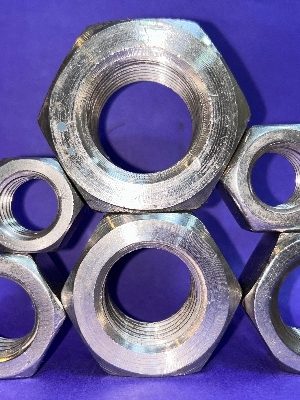
Tell us about your requirement

Price:
Quantity
Select Unit
- 50
- 100
- 200
- 250
- 500
- 1000+
Additional detail
Mobile number
Email

More Products in Stainless Steels Nuts Category
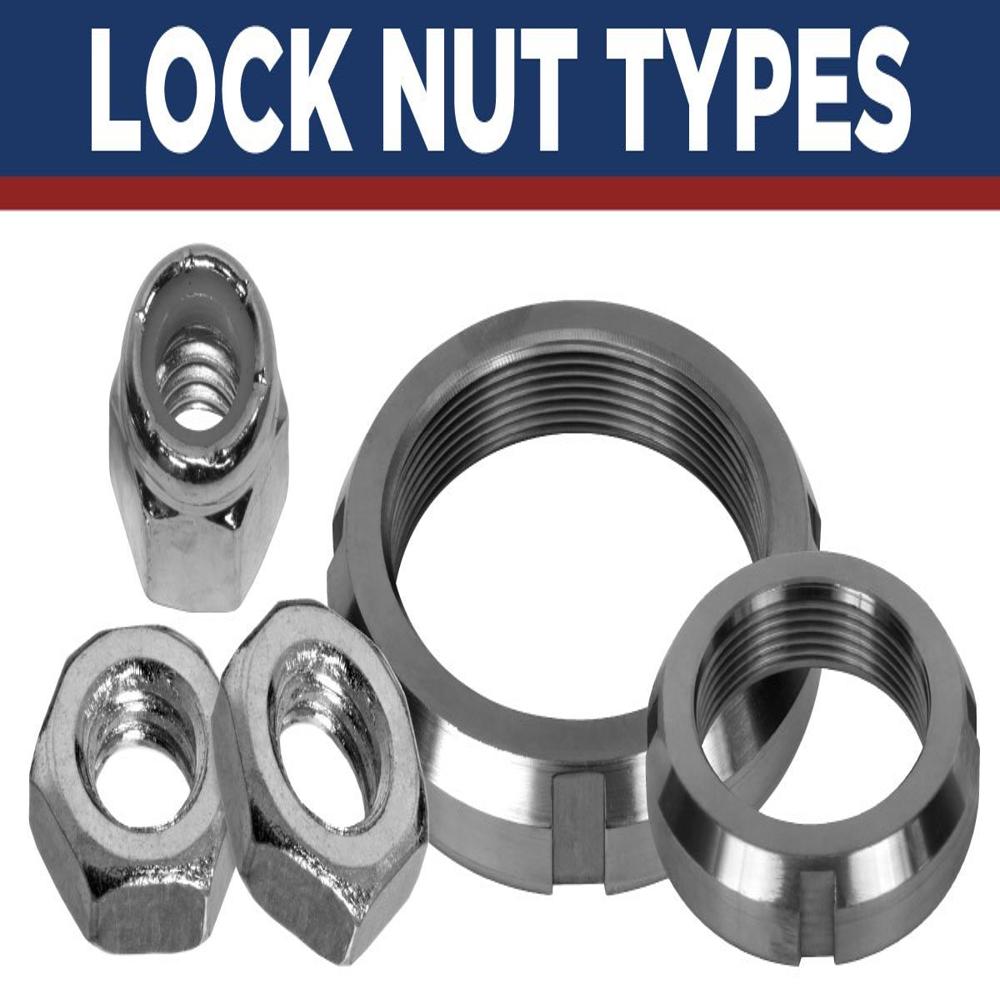
NYLOCK NUT STAINLESS STEEL
Price 10.0 INR / Piece
Minimum Order Quantity : 1000 Pieces
Surface : Other, Bright, smooth, passivated
Material : Other, Stainless steel (A270, A480, 304, 316)
Feature : Corrosion resistance, durable, reusable
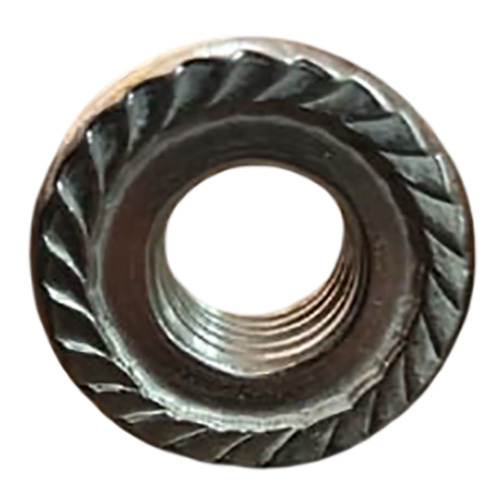
stainless steel Flanges Nuts
Price 10.0 INR / Pack
Minimum Order Quantity : 100 Pieces
Surface : Polishing
Material : Steel
Feature : High Quality
Size : Various
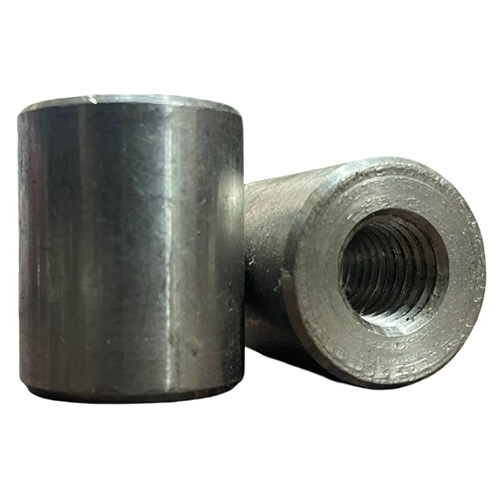
STAINLESS STEEL Coupling Nut
Price 50.0 INR / Piece
Minimum Order Quantity : 100 Pieces
Surface : Polishing
Material : Stainless Steel
Feature : High Quality
Size : Various
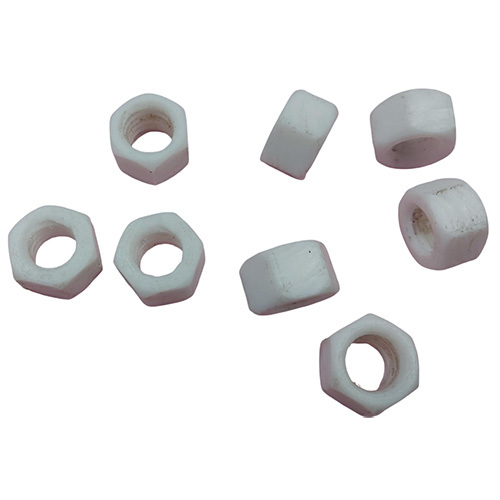
Nylon Nuts
Price 5.0 INR / Piece
Minimum Order Quantity : 9999 Pieces
Surface : Powder Coated
Material : Other
Feature : Rust proof
Size : Standard

We are dealing only in stainless steel products.
 Send Inquiry
Our Products


SHOP NO - 1, 1ST KUMBHARWADA X -LANE, Mumbai - 400004, Maharashtra, India

Mr. Hitesh Rajpurohit
(Marketing Manager)
Mobile :08045817118
 Send Inquiry
 Send SMS
Developed and Managed by Infocom Network Private Limited.


 English
 Spanish
 French
 German
 Italian
 Chinese (Simplified)
 Japanese
 Korean
 Arabic
 Portuguese